

Which Native Aws Service Will Act As A File System Mounted On An S3 Bucket?
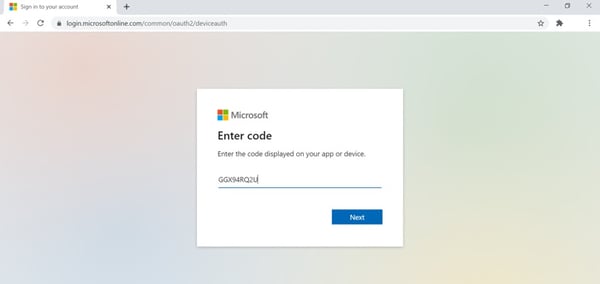
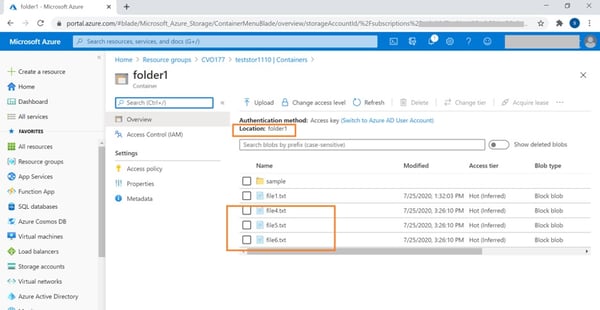
Migrating data from an existing repository to Azure Blob and keeping data in sync in hybrid deployments can both be pregnant hurdles in many organizations' cloud journeys. In that location are several Azure-native and tertiary-political party tools and services to aid drift data to Azure, the most pop ones beingness AzCopy, Azure Import/Consign, Azure Powershell, and Azure Information Box. How can you know which is the right choice for your Azure migration? Selecting the right tools is dependent on several factors, including timelines for migration, data size, network bandwidth availability, online/offline migration requirements, and more. This blog will share and explore some of these Azure migration tools and the simple steps on how to easily migrate files to Azure Blob storage, all of which can be enhanced with the help of NetApp Cloud Volumes ONTAP's avant-garde information management capabilities for data migration, functioning, and protection in Azure Blob storage. Click ahead for more on: With data migration and mobility being critical components of cloud adoption, Microsoft offers multiple native tools and services to support customers with these processes. Permit's explore some of these tools in item. AzCopy is a control-line utility used to transfer data to and from Azure storage. It is a lightweight tool that tin be installed on your Windows, Linux, or Mac machines to initiate the data transfer to Azure. AzCopy can be used in a number of scenarios, for transferring data from on-premises to Azure Blob and Azure Files or from Amazon S3 to Azure storage. The tool can besides exist used for data copy to or from Azure Stack equally well. Click to acquire How to Upload Data to Azure Using AzCopy Azure PowerShell is another command line option for transferring information from on-premises to Azure Blob storage. The Azure PowerShell command Set-AzStorageBlobContent can be used to re-create data to Azure blob storage. Click alee for Azure PowerShell and How to Utilise Information technology Azure Import/Export is a physical transfer method used in large data transfer scenarios where the data needs to be imported to or exported from Azure Blob storage or Azure Files In addition to large calibration data transfers, this solution can also be used for use cases like content distribution and data fill-in/restore. Data is shipped to Azure information centers in customer-supplied SSDs or HDDs. Azure Information Box uses a proprietary Data Box storage device provided by Microsoft to transfer information into and out of Azure data centers. The service is recommended in scenarios where the data size is above 40 TB and at that place is limited bandwidth to transfer data over the network. The nearly popular use cases are one-fourth dimension bulk migration of data, initial data transfers to Azure followed by incremental transfers over the network, as well as for periodic upload of bulk data. AzCopy is available for Windows, Linux, and MacOS systems. There is no installation involved every bit AzCopy runs as an executable file. The zip file for Windows and Linux needs to be downloaded and extracted to run the tool. For Linux, the tar file has to be downloaded and decompressed before running the commands. The AzCopy tool can be authorized to admission Azure Blob storage either using Azure Advertising or a SAS token. While using Azure Advertizing authentication, customers can cull to authenticate with a user account before initiating the data re-create. While using automation scripts, Azure AD authentication can be achieved using a service principal or managed identity. In this walkthrough of AzCopy we will be using authentication through an Azure Ad user account. The account should be assigned either the storage blob data contributor or the Storage Blob Data Owner office in the storage container where the data is to be copied, besides equally in the storage account, resource group, and subscription to exist used. i. Browse to the folder where AzCopy is downloaded and run the post-obit control to login: You lot will now see details about how to log in to https://microsoft.com/devicelogin. Follow the instructions in the output and apply the code provided to authenticate. 2. On the login page, enter your Azure credentials with access to the storage and click on "Next." three. Dorsum in the control line, you will receive a "login succeeded" bulletin. Update the <Azure storage account proper noun> placeholder with proper name of the storage account in Azure and <container> with the name of the container yous desire to create. Below, you can see a sample command: Update the <Local of file in local deejay> and <Azure storage account name> placeholders in the higher up control to reflect values of your surround, and <container> with the name of the storage container you created in pace iv. Sample command given below: Note: In the to a higher place example folder1 in the above command is the container that was created in footstep 4. Upon successful completion of the command, the job condition volition be shown equally Completed. Update the <Location of folder in local disk>, <Azure storage account name>, and <container> placeholders in the above command to reverberate values of your environment. Sample command given beneath: Your source folder content will appear as below: Sample command given below: Azure PowerShell cmdlets tin can exist used to manage Azure resources from PowerShell command and scripts. In add-on to AzCopy, Powershell tin can besides be used to upload files from a local folder to Azure storage. The Azure PowerShell control Set-AzStorageBlobContent is used for the same purpose. In this department we volition look into the commands that can exist used to upload files to Azure blob storage using PowerShell from a Windows motorcar. ane. Install the latest version of Azure PowerShell for all users on the system in a PowerShell session opened with administrator rights using the following command: Select "Aye" when prompted for permissions to install packages. 2. Use the following command and sign-in to your Azure subscription when prompted: Update the place holders <resource group proper noun> and <storage account name> with values specific to your environs, as in the sample control given beneath: $storcontext=$uploadstorage.Context Replace the placeholders <storage container name> and <Location of file in local disk> with values specific to your environment. Sample given below: One time the file is uploaded successfully, you will get a message similar to what you can run into in the screenshot beneath: Sample command given below: Nosotros take discussed how data migration to Azure tin be easily achieved using AzCopy and Azure PowerShell commands. Customers can also leverage NetApp Cloud Volumes ONTAP for data migration to the cloud through trusted NetApp replication and cloning applied science. Deject Volumes ONTAP delivers a hybrid data management solution, spanning on-bounds equally well as multiple cloud environments. Cloud Volumes ONTAP is distinguished by the value it provides to its customers through high availability, data protection, and storage efficiency features such as deduplication, compression and thin provisioning. Cloud Volumes ONTAP volumes can be accessed by virtual machines in Azure over SMB/NFS protocols and helps in achieving unparalleled storage economy through these features. As the storage is being used more than efficiently, Azure storage cost is also reduced considerably. NetApp Snapshot™ technology along with SnapMirror® data replication can ease up the data migration from on-bounds environments to the cloud. While SnapShot technology tin can be used to accept Point-in-fourth dimension backup copies of information from on-premises NetApp storage, SnapMirror data replications helps to replicate them to Cloud Volumes ONTAP volumes in Azure. The service can as well be used to keep data between on-premises and cloud environments in sync for DR purposes. NetApp FlexClone® data cloning technology helps in creating storage efficient writable clones of on-bounds volumes that can exist integrated into CI/CD processes to deploy examination/dev environments in the cloud. This enhances information portability from on-premises to deject and also within the cloud, which tin can all be managed from a unified management hurting. Thus, Cloud Volumes ONTAP helps organizations achieve agility and faster fourth dimension to market for their applications. Another NetApp data migration service is Cloud Sync, which can chop-chop and efficiently migrate data from whatever repository to object-based storage in the cloud, whether it's from an on-prem arrangement or betwixt clouds. Customers tin can choose from native tools like AzCopy and Azure PowerShell to upload files to Azure Hulk Storage. They can besides leverage Cloud Volumes ONTAP for advanced data management and migration capabilities using features like SnapMirror replication, NetApp Snapshots and FlexClone.
Tools to Upload Data to Azure Blob Storage
How to Upload Files to Azure Blob Storage Using AzCopy
azcopy login 

azcopy make "https://<azure storage account proper name>.blob.cadre.windows.net/<container>" azcopy make "https://teststor1110.hulk.core.windows.net/folder1" 
azcopy copy <Location of file in local disk> "https://<azure storage account name>.cadre.windows.cyberspace/<container>/" azcopy re-create 'C:\azcopy\Testcopy\folder1\file1.txt' 'https://teststor1110.blob.core.windows.net/folder1' 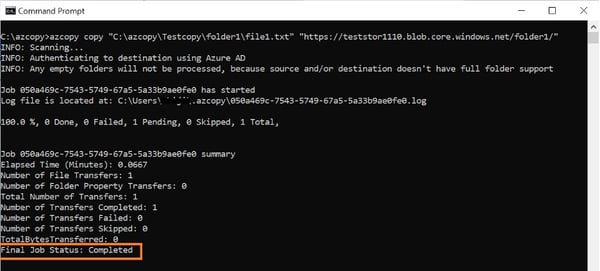
azcopy copy "<Location of binder in local disk>" 'https://<azure storage account name>.blob.core.windows.net/<container>' --recursive azcopy copy "C:\azcopy\Testcopy\sample" "https://teststor1110.blob.core.windows.net/folder1" --recursive 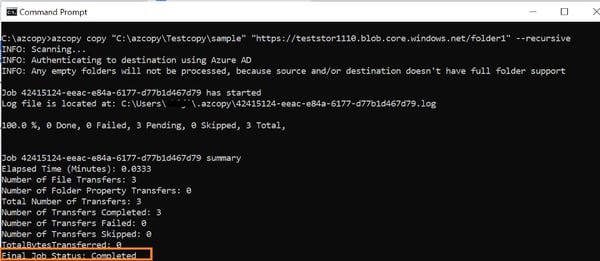
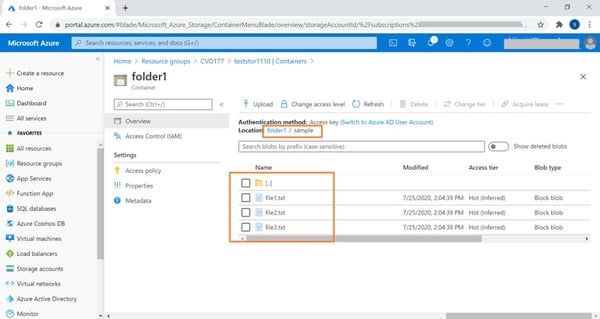
azcopy copy "<Location of folder in local disk>/*" 'https://<azure storage account name>.blob.core.windows.internet/<container>' azcopy re-create "C:\azcopy\Testcopy\folder2\*" "https://teststor1110.hulk.cadre.windows.net/folder1" 
What Is Azure PowerShell and How to Use It
File Transfers to Azure Blob Storage Using Azure PowerShell
Install-Module -Proper name Az -AllowClobber -Scope AllUsers 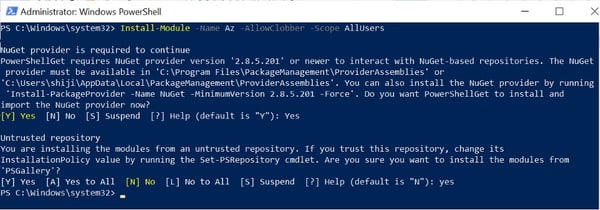
Connect-AzAccount 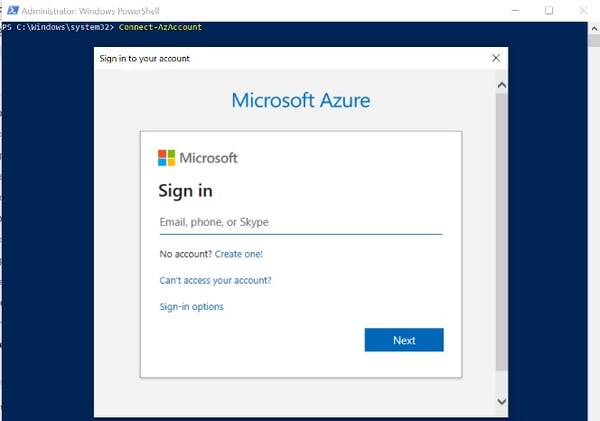
$uploadstorage=Get-AzStorageAccount -ResourceGroupName <resource group name> -Name <storage account name>
$storcontext=$uploadstorage.Context$uploadstorage=Get-AzStorageAccount -ResourceGroupName cvo177 -Name teststor1110 
Prepare-AzStorageBlobContent -Container "<storage container proper noun>" -File "<Location of file in local disk>" -Context $storcontext Set up-AzStorageBlobContent -Container "folder2" -File "C:\azcopy\Testcopy\folder2\file1.txt" -Context $storcontext 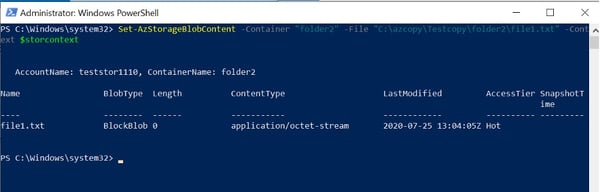
Become-ChildItem -File -Recurse | Set-AzStorageBlobContent -Container "<storage container name>" -Context $storcontext Become-ChildItem -File -Recurse | Set-AzStorageBlobContent -Container "folder2" -Context $storcontext 

NetApp Cloud Volumes ONTAP: Accelerate Cloud Information Migration
Decision


Source: https://cloud.netapp.com/blog/azure-cvo-blg-how-to-upload-files-to-azure-blob-storage
Posted by: hickstung1962.blogspot.com
0 Response to "Which Native Aws Service Will Act As A File System Mounted On An S3 Bucket?"
Post a Comment